
Protecting Children from Lead Exposure
Lead is a heavy metal that can harm the brain and nervous system. It does not break down or disappear over time, and there is no safe level of lead in a child’s blood.
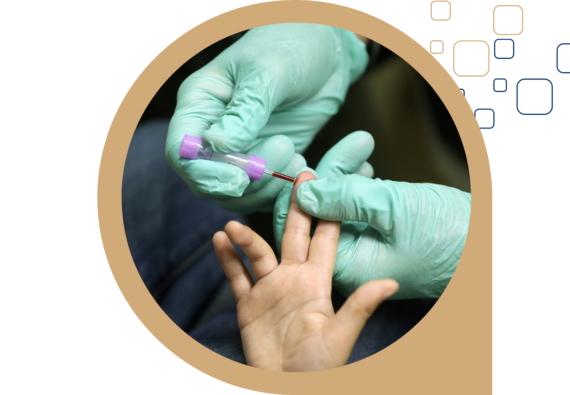
Lead poisoning is often called a silent disease because children who have been exposed to lead may look and act completely healthy. A blood lead test is the only way to know whether a child has been exposed.
Young children, especially those under age 3, are at greatest risk because they naturally put their hands, toys, and other objects in their mouths. Lead dust can easily get onto those surfaces and then into a child’s body.
As of July 1, 2026, childhood lead testing is universal throughout Illinois. Children are tested at 9–12 months and again at 24 months, with annual risk assessment for children ages 3–6.
Where Does Lead Come From?
Lead-Based Paint and Dust
The most common source of lead exposure in children is lead-based paint in older homes. Lead-based paint was widely used in homes before it was banned for residential use in 1978. As old paint deteriorates, or when it is disturbed during remodeling, it can create lead dust and paint chips. Lead dust is especially dangerous because it can be too small to see.
Common sources include:
– chipping, peeling, or deteriorating pain
– dust around windows, doors, floors, and other painted surfaces
– remodeling, sanding, scraping, or repairing painted surfaces
– lead-contaminated soil around older homes
Imported and Vintage Products
Lead can also be found in products that may not look dangerous. Some products from other countries may contain lead even when they are intended for children or families. Some imported or vintage items can contain lead, including:
– imported pottery, ceramics, and traditional cookware
– vintage or antique dishes and glassware
– imported spices or foods
– some traditional or folk medicines
– certain cosmetics, including some traditional eye cosmetics
-imported toys, jewelry, and other consumer products
Other Possible Sources
Children can also be exposed to lead through:
– contaminated soil or dust
– drinking water from plumbing that contains lead
– certain jobs and hobbies
– lead-containing materials used in hunting, fishing, shooting, stained glass, pottery, or other crafts
– dust brought home on clothing, shoes, or equipment from a lead-related workplace or hobby
If someone in the household works with lead or participates in a hobby that involves lead, take precautions to prevent bringing lead dust into the home.
Effects of Lead Poisoning
Lead can affect nearly every organ system, but the developing brain and nervous system are especially vulnerable. Lead exposure in children can contribute to:
– problems with learning and attention
– behavioral difficulties
– developmental delays
– lower IQ
– problems with speech and hearing
– damage to the brain and nervous system
– anemia
– kidney and other organ damage
Some effects of lead exposure can be permanent. Children do not have to appear sick for lead to be affecting their development.
Steps to Lower Your Child’s Risk
– Wash your child’s hand frequently, especially before eating and sleeping.
– Wash toys, pacifiers, and other objects that your child frequently puts in their mouth.
– Clean floors, windowsills, and other surfaces regularly using we cleaning methods to avoid putting lead dust into the air.
– Keep children away from peeling or chipping paint.
– Avoid using antique or vintage dishes, pottery, or cookware for food unless you know they are lead-free.
– Be cautious with imported foods, spices, cosmetics, traditional medicines, and pottery.
– Check products for recalls.
– Provide a balanced diet with adequate iron, calcium, and vitamin C to help reduce the amount of lead the body adsorbs.